
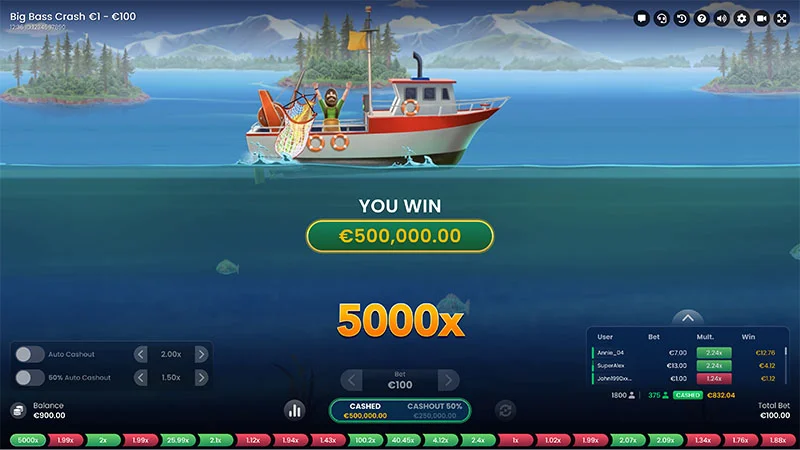
The struggle for spotlight in online gaming is intense. Developers often lean on dazzling visuals or nonstop promotion. However a different approach is taking shape. True lasting success isn’t born from a gimmick. It stems from a simple concept: value the gamer. People call this a “player-centric” strategy. It involves clear regulations, honest gameplay, and allowing the community to steer a game’s growth, rather than chasing quick profits. The UK industry, known for its savvy players and rigorous regulations, demonstrates this clearly. Consider the Big Bass Crash Game Desktop Version title. Its ascent is no accident. It’s a powerful lesson. When a game’s design aligns with what players really care about, it creates a devoted community. This harmony is changing what people expect. It shows that in today’s online landscape, the most intelligent approach is to make the player the priority.
Unpacking the “Players First” Mindset in iGaming
“Player-Centric” is more than a tagline. It’s a framework that shapes a product from the ground up. It influences how the title functions, how the creators talk with users, and how it improves over time. The old approach treated customers as customers. The new model sees them as collaborators. This collaboration requires transparent design, not gimmicks that exploit on psychology. It demands transparent, upfront details on any funds wagered. And it entails listening when customers give input. In regions like the UK, with robust consumer laws, this mindset aligns naturally with both the rules and the domestic norms. For a product like Big Bass Crash, it’s about earning credibility through dependable structure. The excitement should arise from the title itself, not from concealed odds or a push to keep betting. The effect is a more sustainable ecosystem that serves everyone.
Ethical Gaming Integration in Design
A real Player First philosophy must actively support responsible play. Here, the actual structure of Big Bass Crash provides integrated safeguards. The game is built on compact, separate rounds. This generates natural stopping points, unlike the unending, auto-play loops of some video slots. Reliable UK platforms complement this by including required tools like deposit limits, session timers, and easy links to support services such as GamStop and GamCare. The game’s clear design also assists with personal insight. Because the central action is a single, considered cash-out decision, users might become more aware of their spending compared to the quick, automated play of alternative genres. This design demonstrates that safe play can be part of the game’s core, not just a sidelight in the fine print.
The Clean Design That Strengthens Players
Big Bass Crash derives its appeal from a basic notion. This simplicity, strangely, leads to serious immersion. Players don’t need to commit to memory intricate regulations, symbol charts, or long payout tables. Everything hinges on a sole, crucial action: hitting the “Cash Out” button before the multiplier crashes. This keen concentration empowers the user. Only they are accountable for their selection, based on their own appetite for risk. It generates a tangible pressure, a direct link between move and result. This sense of agency is key to the User-Focused idea. By reducing the gameplay to just one obvious, user-driven bet, the game values the player’s autonomy and decision-making. A victory comes across as a personal victory. A defeat is perceived as a familiar risk, not a confusing glitch in the system.
Why the UK Market remains Especially Responsive
The UK’s digital gambling sector is among the most developed and heavily supervised anywhere. This has created a gambling audience that is both well-protected and extremely choosy. Decades of regulatory changes have informed players about their rights and what equitable, ethical design looks like. They are quick to reject games that feel exploitative or hide information. Big Bass Crash, with its clear mechanics, focus on controlled choices, and seamless integration with safe gambling tools, fits perfectly into this landscape. It meets compliance requirements not as a administrative burden, but as a fundamental design goal. Its growing popularity demonstrates a market selecting a preference. Players are selecting a product that aligns with their beliefs. They favor direct, entertaining, and ethically crafted games over those that rely only on flashy distractions or compulsive patterns.
Clarity and Impartiality as Unwavering Pillars
UK users, defined by tough guidelines from the UK Gambling Commission, don’t see transparency as a perk. They regard it as a right. Big Bass Crash meets this expectation head-on. The chance of each crash is confirmable and secure. The product typically utilizes certified Random Number Generator (RNG) systems that undergo regular reviews. It does not assert to be a skill game where it is not. Instead, it positions itself truthfully as a game of chance with one clear instance of strategy. This integrity builds a reputation. Players can interact knowing the platform’s integrity is a focus, which is a cornerstone of controlled play. The opposite approach—a feeling that consequences are tampered or vague—erodes trust rapidly. That is a trap the product’s designers carefully evade.
The Way Big Bass Crash Reflects Core Player-Centric Values
Big Bass Crash converts its player-first rhetoric into reality through particular design elements. The main game system is a multiplier that ascends a curve until a random “crash” occurs. In appearance, it’s uncomplicated. Players understand the risk and reward right away. There are no hidden mini-games or confusing bonus features to complicate the picture. This clarity is everything. The game also skips elaborate stories or complex leveling systems that might coerce players into longer playtimes. Every round is a fresh opportunity. The player chooses when to play and for how much time. A clean, intuitive interface remains in the background. The focus remains on that one strategic option: when to cash in. This design honors the player’s discernment. It presents a tool for enjoyment, not a maze designed to capture and hold attention.
Establishing a Community Centered on Common Instances
The journey of Big Bass Crash goes beyond a single player’s screen. It establishes a Player First world by creating shared moments, which are crucial for a game’s lifespan. The format is social by nature. Multiple players experience the same climbing multiplier curve, sharing the collective buzz as the numbers rise. This naturally sparks conversation. People share tactics and rejoice or sigh over a crash together. Online platforms and live streams boost this effect, transforming a solo game into a group spectacle. Developers and the sites offering the game often foster this. They highlight major wins and create space for players to interact. This community work alters the game. It ceases being just software and turns into a social spot. The value isn’t only in a potential payout, but in belonging to a group’s exciting moment.
Detailed Review: Player First vs. Classic Models
Pitting the Player First model with older game designs demonstrates why it’s becoming popular. Many traditional games, particularly in the online casino industry, use strategies designed to keep players fixated on the screen and spending incessantly, at times without their full consciousness.
- Complexity vs. Straightforwardness: Classic slot machines might feature complicated bonus games and dozens of paylines that are hard to understand. Big Bass Crash presents one straightforward mechanic.
- Command: Games with auto-play and quick-spin options can make the player a passive spectator. Big Bass Crash demands a manual, conscious choice for every single outcome.
- Clarity: Some games conceal their Return to Player (RTP) percentages or feature extreme volatility. The crash game model offers an immediately comprehensible, though volatile, risk profile.
- Shared Experience: Plenty of games are lonely activities. The crash format naturally builds a communal, live session.
The Next Era of Gaming: A Lasting Shift Toward the Player
The positive response for Big Bass Crash’s ethos in markets like the UK hints at a greater, enduring transformation for the field. As players get more savvy and governing bodies enforce stricter regulations, the economic argument for dubious or profit-driven design fades. The future points toward games built for sustainable engagement, where reliability and enjoyment are the main tools for retaining players. We will probably see more advancement in transparent mechanics, better social and community functions, and even better incorporation of responsible gambling tools within the game itself. Games that adopt the Player First model, valuing long-term community over immediate profit, are set to define this coming era. They demonstrate a basic truth. The optimal way to create a winning game is to truly respect the thinking, autonomy, and welfare of the individual playing the game.